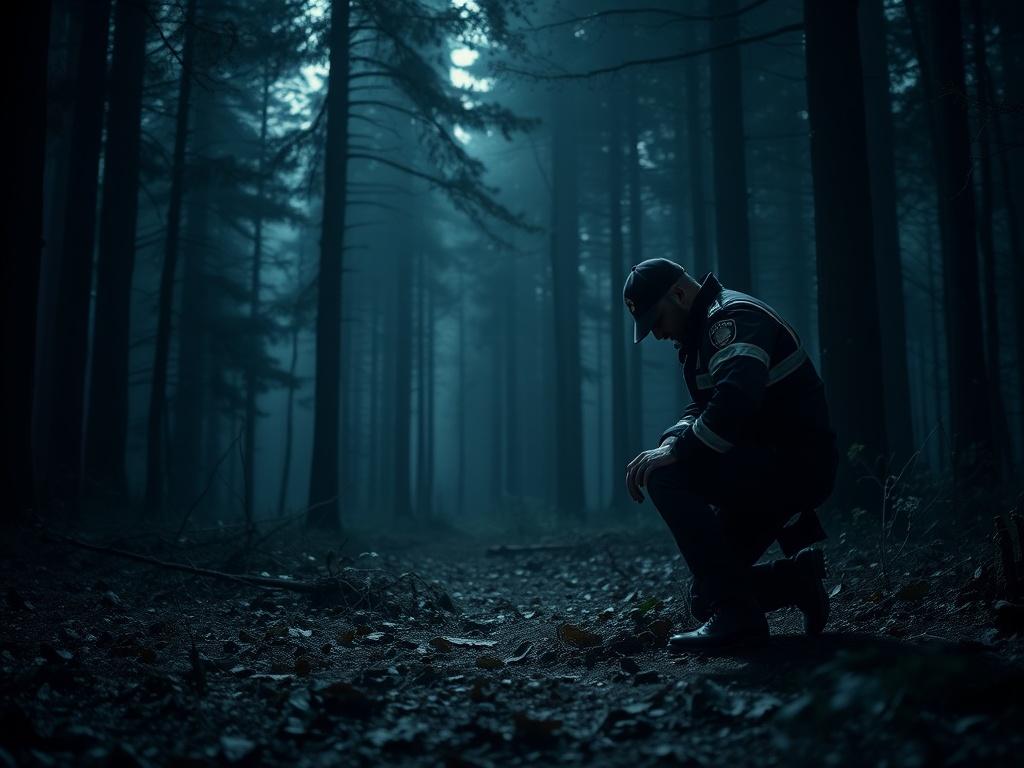
Scandinavian or Nordic Noir, has captivated readers around the globe with its unique blend of mystery, intricate plots, and haunting atmospheres. This genre, rooted in the dark landscapes and cultural nuances of Northern Europe, invites writers to explore the depths of human nature and societal issues. In this blog post, we will delve into the techniques behind writing compelling Nordic Noir stories, providing aspiring authors with the tools to craft narratives that resonate with authenticity and emotional weight.
As we unravel the secrets of this genre, we will highlight essential elements that contribute to the genre’s signature tension and atmosphere. From deliberate pacing to richly developed characters who grapple with their own flaws, the art of Nordic Noir storytelling relies on a delicate interplay of style and substance. Join us as we explore how to build captivating plots and create unforgettable figures that linger long after the final page is turned.
Unraveling the secrets: Techniques to craft compelling Nordic Noir plots
Crafting a compelling Nordic Noir plot begins with a deep understanding of the genre's characteristic themes and settings. Writers often incorporate elements such as moral ambiguity, social critique, and intricate family dynamics. To create a gripping narrative, it is essential to build a strong central mystery that intertwines with the emotional struggles of the characters. Clues should be subtly woven into the fabric of the story, allowing readers to engage in the sleuthing process, which not only heightens suspense but also provides insight into the darker facets of human nature.
Another vital technique in writing Nordic Noir is the use of dual timelines or perspectives. This approach can add depth to the narrative, revealing layers of history and motivation behind the present-day actions of characters. By alternating between past and present, writers not only enhance suspense but also invite readers to piece together the puzzle of the crime. Incorporating cultural elements specific to Scandinavian settings, such as local traditions, landscapes, and societal issues, can further enrich the narrative, offering a unique flavor that resonates with readers. Ultimately, blending these elements creates a potent mix that keeps audiences invested in the unfolding drama, encouraging them to explore the techniques behind writing compelling Nordic/Scandinavian Noir stories.
Building atmospheric tension: Essential elements of Scandinavian/ Nordic noir storytelling
Atmospheric tension defines Nordic Noir and immerses readers in its chilling world. Authors skillfully weave evocative settings, often showcasing the stark, haunting landscapes of the Nordic region, which become characters in their own right. The bleak, frigid environments amplify a sense of isolation and dread, reflecting the emotions of the characters. Writers employ vivid descriptions and sensory details to transport readers into this cold atmosphere, where the dim light and endless nights create an undercurrent of suspense. Additionally, incorporating weather elements, like relentless rain or biting snow, heightens the tension, emphasizing the characters' struggles and the intensity of their situations.
Moreover, pacing plays a critical role in building atmosphere. Scandinavian Noir often unfolds slowly, allowing tension to simmer until it reaches a boiling point. Authors strategically drop hints and clues throughout the narrative, keeping readers on edge as they piece together the puzzle. This deliberate pacing encourages readers to linger on each page, creating a sense of urgency that mirrors the protagonists' own desperation. By intertwining these essential elements: atmospheric settings, vivid descriptions, and careful pacing, writers craft stories rich in suspense and depth, drawing readers into the haunting world of Nordic Noir storytelling.
Character development in Nordic Noir: Creating memorable and complex figures
In Nordic Noir, character development plays a crucial role in drawing readers into the shadowy world of crime and moral ambiguity. Authors must delve deep into their characters' psyches, revealing their flaws, motivations, and inner conflicts. This intricacy allows readers to form genuine connections with the characters, making them feel invested in the story's outcome. Crafting a compelling detective, for instance, requires not only a keen intellect but also personal demons and vulnerabilities that resonate with audiences. These richly layered characters often embody the themes of isolation and despair prevalent in Scandinavian literature, providing a mirror for society's darker tendencies.
Furthermore, antagonists in Nordic Noir deserve equal attention when it comes to character depth. Instead of presenting one-dimensional villains, writers should aim to create multifaceted adversaries whose motivations stem from relatable circumstances or tragic backstories. This complexity invites empathy from readers, blurring the lines between right and wrong. By intertwining the fates of both protagonists and antagonists, writers enhance the tension and stakes within their narratives. Ultimately, mastering character development in Nordic/Scandinavian Noir not only enriches the plot but also elevates the entire reading experience, inviting audiences to explore moral ambiguity alongside the characters they have come to care about.